
Over 300,000 orders shipped since 2005
FREE Delivery on orders over £45
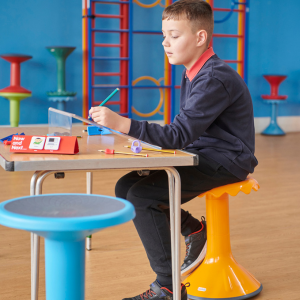
Children with ADHD and sensory processing differences often want to do well—but sensory overload and poor proprioception means that they are constantly seeking movement or sensory input – these are the sensory seekers.
Expecting them to be able to sit still and focus in the same way as neurotypical children can lead to frustration for everyone involved. The good news is that the right support children can gradually increase their ability to sit, focus, and engage—both at home and in the classroom.
This blog explores practical strategies that work with a child’s nervous system rather than against it.
What do we mean by “Sitting Still”
Before we explore some strategies, it’s important to shift expectations.
The goal is not to sit completely still. Rather it’s to achieve functional regulation: enough body control to participate and learn.
Understand the Sensory Need Behind the Movement
Children with ADHD and sensory differences may move because they are:
When we address the need, the behaviour often improves naturally.
1.Offer Movement Before Sitting

Movement before a seated task helps regulate the nervous system.
Try:
Even 5 minutes of purposeful movement can make a big difference.
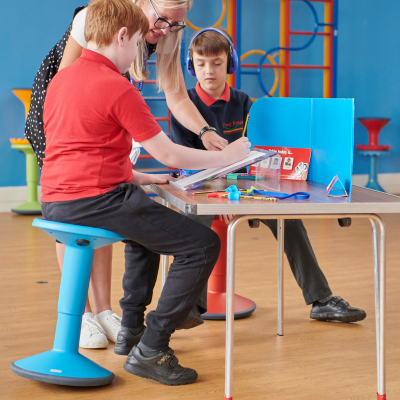
2.Use Alternative Seating
Traditional chairs don’t work for everybody.
Helpful options include:
Let children choose what feels best—autonomy increases success.
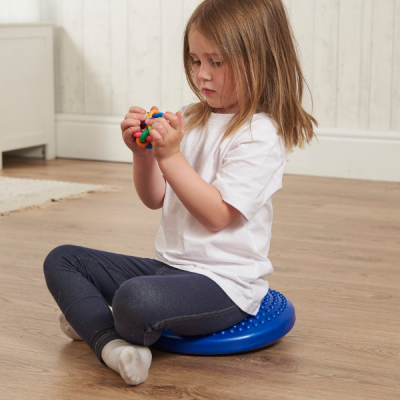
Fidgets can help children stay seated longer by keeping their hands busy.
Good fidgets:
Avoid fidgets that make noise or require visual attention.
Manage expectations.
Instead of:
“Sit and do homework for 30 minutes”
Try:
Gradually increase time as tolerance improves.
5.Create a Sensory-Friendly Environment
Small environmental changes can reduce the urge to move.
Consider:
Encourage movement at appropriate times and build into the daily routine. Don’t treat movement as a reward or punishment.
Examples:
When everyone moves, no one feels singled out.
Have some alternative seating to offer such as:
Flexible seating benefits many learners, not just those who are sensory seekers.
The use of visual aids can reduce and anxiety and sensory overload.
Helpful tools:
When children know what’s coming next, they can regulate more effectively.
“Heavy work” activities provide calming proprioceptive input for sensory seekers. These can easily be built into the school day.
Examples:
These activities can significantly increase sitting tolerance afterward.
Praise effort and growth, such as:
Positive reinforcement builds self-awareness and confidence.
What Not to Do
Be patient and try different strategies with different children. Regulation needs change over time.
Final Thoughts
Helping children with ADHD and sensory differences sit still for longer isn’t about control—it’s about supporting regulation. Providing understanding, flexibility and the right sensory tools, children learn to listen to their bodies and build skills that last a lifetime.
Progress may be slow, and that’s okay. Every small step toward self-regulation is a meaningful success.