
Over 300,000 orders shipped since 2005
FREE Delivery on orders over £45
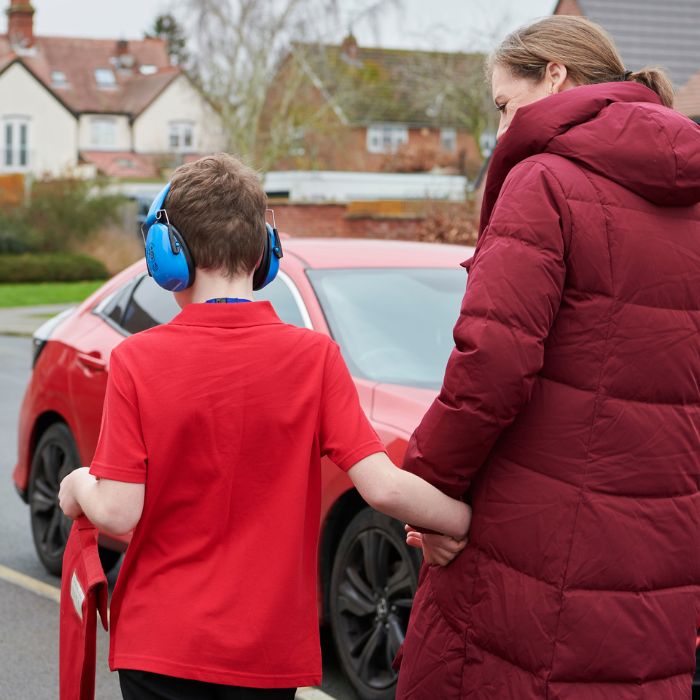
Managing the transition of getting back into the home to school routine can be challenging following the long summer holidays where normal routines have gone out of the window. A consistent home-to-school routine makes life easier for everyone. Here are six ideas to help you can create a calm routine and supportive environment to reduce the stress of a school morning.
Plan & Prepare: with time being limited in the morning, preparing as much as possible the night before can be a big help. Get together all of your school-run resources in one easy to reach place. Show your child where they are and go through the different products so they can see what they have to use and where it is all kept. Lay out school uniforms or sensory clothing and pack school bags with everything needed for the next day. Our sensory grab bag is ready made and full of great resouces

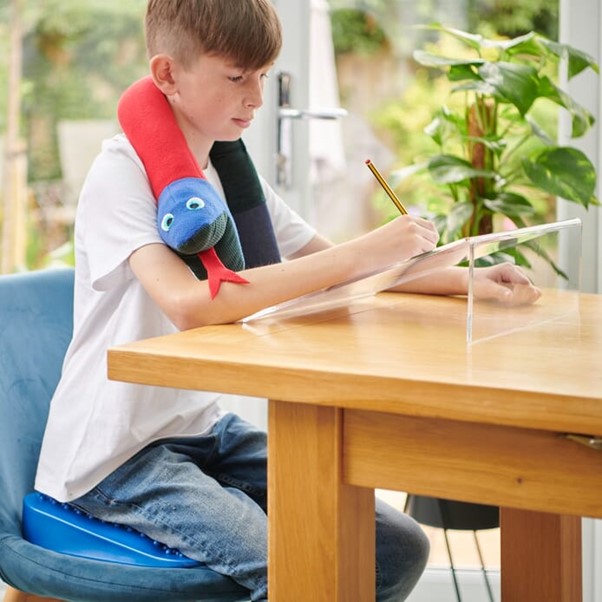
Make use of favourite sensory toys: Ask your child to pick their favourite sensory fidget toys or weighted animals, if appropriate. These simple steps can help your child to manage their expectations and see what support is available to them. Try to keep the resources in the same place for consistency.
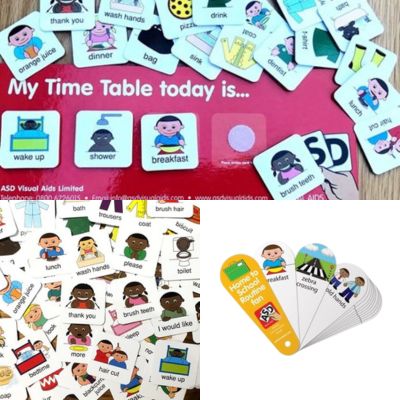
Create a Routine: Try to establish a consistent morning routine with the same wake up time. Using social stories or visual timetables, break down tasks into small steps, such as eating breakfast, getting dressed, leaving the house etc. Repeating the same daily routine can help ensure your child knows what is coming next. This can help the transition from one step to another go smoothly.
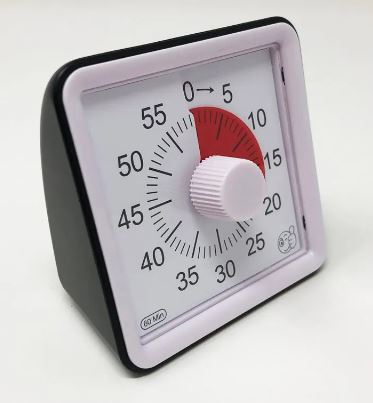
Use a Visual Timer: a small handheld visual timer or sand timer can help your child visualise and understand the time between each step. Many people have difficulty with motor planning and keeping track of time. Your child may find phrases such as “we need to leave in 5 minutes” difficult to contextualise and not be able to judge how long 5 minutes is, causing additional stress. A visual timer helps to keep the routine calm and on track.
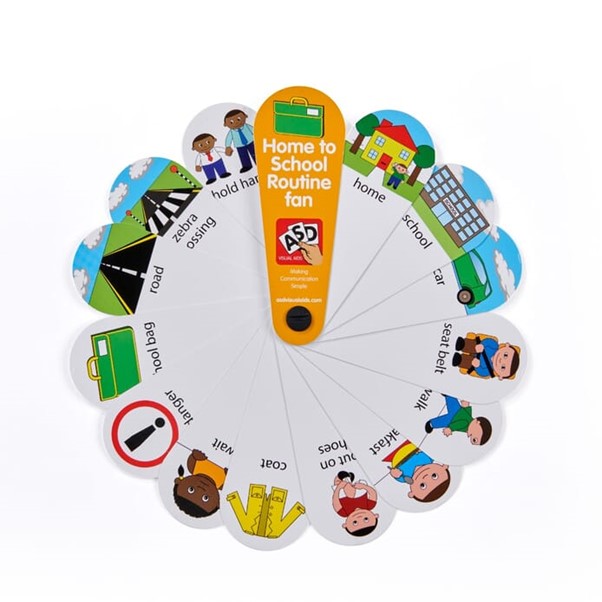
Create A Visual Schedule: having a well thought out visual schedule helps provide a sense of predictability and comfort. Use pictures, symbols or written words to outline the home to school routine. We love our home to school routine communication fan. It contains 14 colourful and clear symbols to help you explain the routine. You can also use a Now & Next board with symbols to show what’s going to happen next. Breaking the routine down into small chunks can be hugely beneficial in easing the transition.
Use appropriate resources to manage sensory overload: The journey to school can have many potential sensory triggers. Congestion, dogs barking, crowded spaces, can all contribute to increased anxiety, stress and discomfort. Be sure to identify and address any potential triggers in advance and pack sensory tools to help reduce sensory overload. Go for smaller age-appropriate resources that can easily fit in a backpack. Try noise-cancelling ear defenders or ear plugs, designed to reduce uncomfortable sounds. Or sensory chews to help manage increased stimming such as chewing. Help keep fidgeting hands occupied with fidget toys and stress balls

By : Andrew Caws
Founder & parent to an autistic child