
Over 300,000 orders shipped since 2005
FREE Delivery on orders over £45
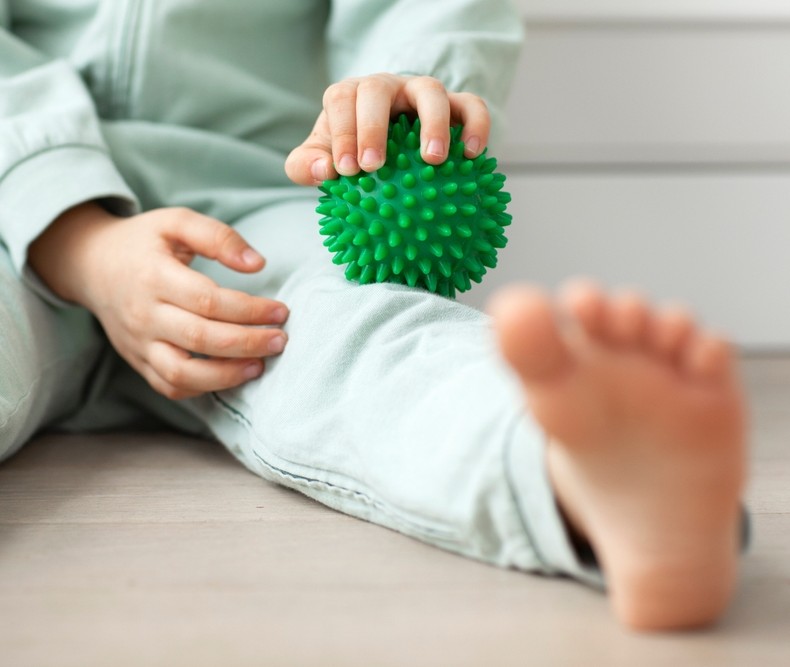
The Benefits of Massage and Vibration for Sensory Processing
Sensory Integration is the ability to receive, process and make use of information from the world around us. It allows us to make an appropriate, adaptive response to meet the demands of the environment.
We do this through our seven senses - the five external senses of Sight, Hearing, Smell, Taste & Touch as well as the two lesser known internal senses; Vestibular (movement & balance sense) and Proprioception (body awareness)
Sensory processing challenges affect how we receive, organise and respond to sensory input from our body and environment around us. For both children and adults, this can display as :
Among the many supportive strategies available, massage and vibration-based input are one of the simple, effective and evidence-informed tools that can help regulate the sensory system and improve daily functioning.
This article explores how massage and vibration work, why they help, and how they can be used safely and effectively.
Understanding Sensory Processing Challenges
People with sensory processing differences may experience:
The nervous system relies heavily on tactile (touch) and proprioceptive (deep pressure and body awareness) input to stay organised and calm. Massage and vibration both target these systems directly.
How Massage Supports Sensory Regulation
Massage provides structured, predictable touch and deep pressure input. This type of input is often calming and helps to regulate the nervous system.
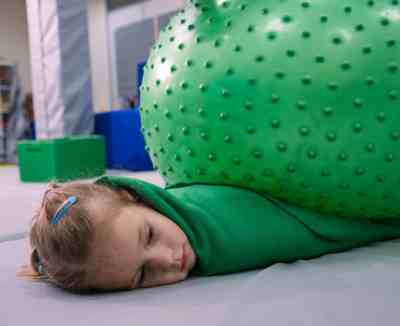
Key Benefits of Massage
How Vibration Input Helps
Vibration is a powerful sensory input that stimulates muscles, joints, and nerves simultaneously. It is commonly delivered through vibration tools, massage devices, vibrating cushions, or therapy equipment.
Key Benefits of Vibration
Massage vs. Vibration: Different but Complementary
While both approaches support sensory regulation, they serve slightly different roles:
Many individuals benefit from using both at different times of day depending on their regulation needs.
Practical Applications at Home and in Therapy
For Children
For Adults
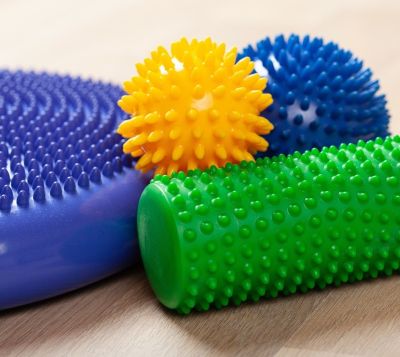
Take a look at our full range of VIBRATION & MASSAGE THERAPY PRODUCTS
Important Safety Considerations
Massage and vibration should always be used thoughtfully.
Keep in mind:
Not every person responds the same way — sensory preferences can vary widely and everyone is different.
The Role of Occupational Therapy
Occupational therapists often include massage and vibration within a sensory diet — a personalised plan of sensory activities designed to support regulation and function. Professional guidance helps ensure the input type, intensity, and timing are appropriate.
Final Thoughts
Massage and vibration are more than comfort tools — additionally they are powerful supports for both children and adults with sensory processing challenges. These approaches can improve regulation, focus, body awareness, emotional stability, and quality of life.
When used consistently and thoughtfully, they become practical, accessible strategies that fit naturally into daily routines — helping individuals feel more grounded, organised, and at ease in their bodies and environments.