
Over 300,000 orders shipped since 2005
FREE Delivery on orders over £45
Our last blog looked at some of the common signs of Sensory Processing Disorder (SPD) and looked at the reasons behind certain behaviours. You can check out that blog here.
In this blog we take a look at Deep Pressure - one of the most popular solutions used to manage SPD and explain what it is and how it works. Deep Pressure is now a tried and tested method used to help those that are sensory seeking.
Deep Pressure (or Deep Touch Pressure as it is also known) has been used for many years and is now accepted as a proven way of managing the signs of sensory seeking.
Deep Touch Pressure works on the principle of applying weight or pressure to provide proprioceptive input. This input calms and modulates the central nervous system which, in turn, aids the processing of sensory information (Grandin 1992, McClure & Holtz-Yotz 1991).
The two ways of applying Deep Touch Pressure are Weight and Compression
Applying weight calms by stimulating the proprioceptive sense helping those who are “sensory seeking” to relax, focus, and develop a greater awareness of their body. There are different ways to apply weight to the body:
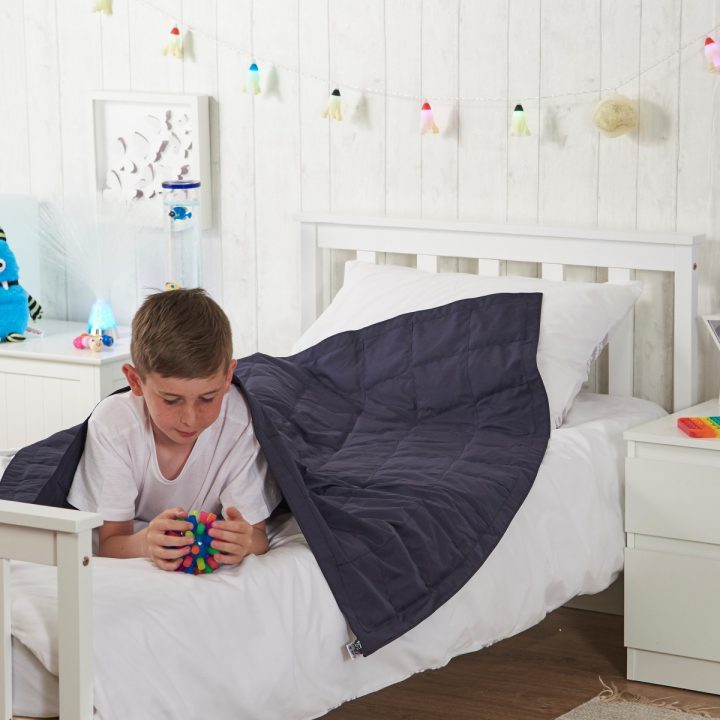
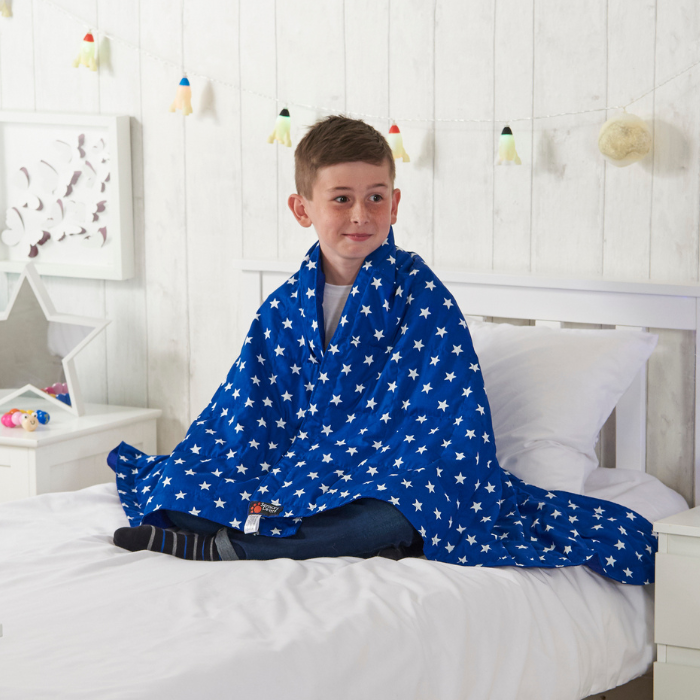
The use of a weighted blanket at bedtime provides a safe and effective solution for many parents and their children. I have spoken to many parents who have not enjoyed a full night’s sleep for several years, but on introduction of a weighted blanket for their child, have seen dramatic and immediate improvements.
Many parents now use a weighted blanket as part of their child's bedtime routine. The vast majority of these parents have found weighted blankets to be effective in improving their child's sleep, both in terms of getting to sleep more quickly and easily and remaining asleep throughout the night.
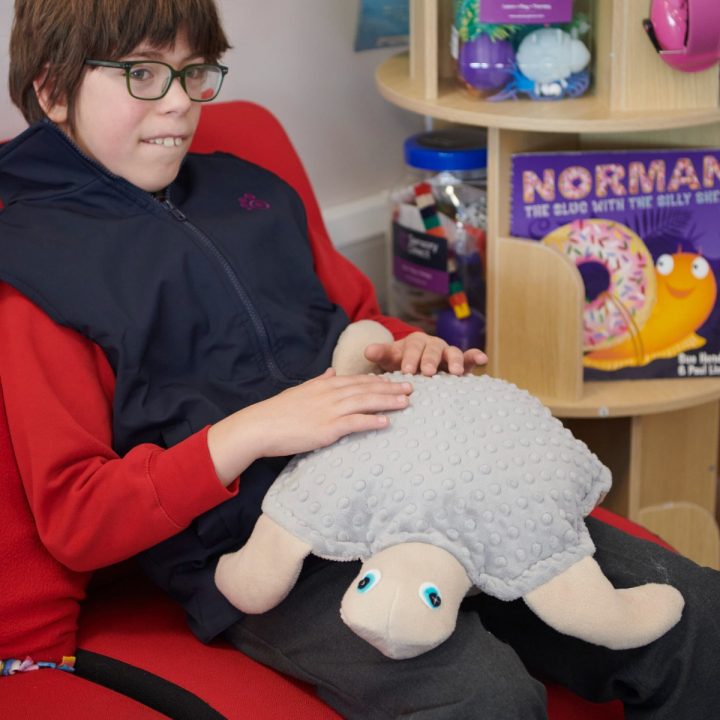
Weighted Lap Pads and Weighted Shoulder Wraps are an ideal way to apply weight during the day, in the classroom, in the car, at the table or just chilling on the sofa.
Weighted Animals perform the same job of applying weight in a more child friendly form.
Lap and Shoulder weights are an easy to use, portable and cost effective weighted therapy tool to calm and increase concentration

Weighted Jackets are a discreet and effective way of applying weight during the day whether in school or out and about. Sensory Direct manufacture our own jackets and we ensure they look good as well as feel good to wear. Weighted jackets apply weight to the shoulders and around the waist and can help to calm and reduce anxiety.
Weighted Jackets are often used in the classroom to reduce excessive fidgeting and help sensory seekers to stay focused for longer. They can be used in places where there is a excessive sensory input to help prevent meltdowns.
There are a wide range of weighted items available for different situations and needs. Wrist weights can be worn around the wrist to help fine motor skills such as handwriting. Weighted Caps provide pressure relief to the head and we even make a weighted eye pillow!
An alternative way of applying deep touch pressure is Compression. Rather than apply weight to stimulate the proprioceptive system, compression garments are used to compress the body and apply deep pressure.
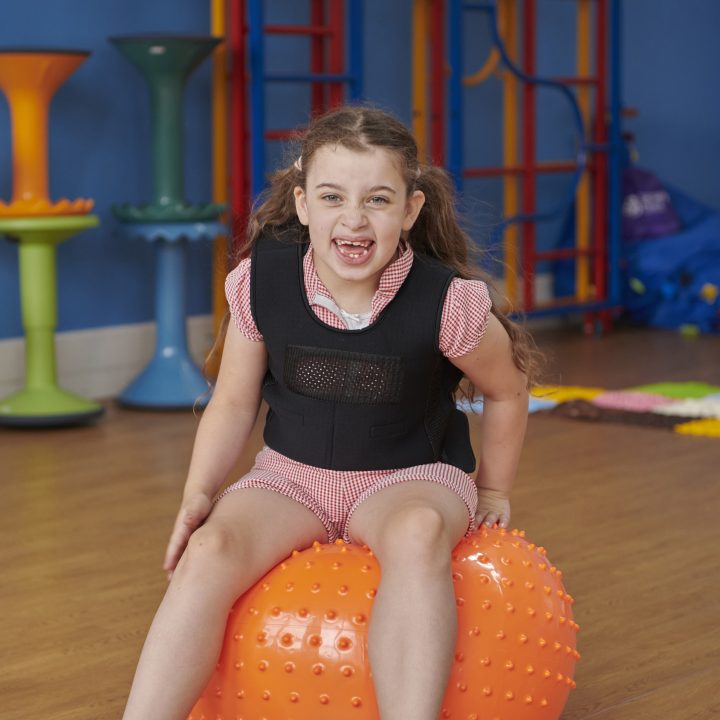
Vests are a very popular way of applying pressure being both portable and effective particularly in a classroom environment. The compression vest applies deep pressure by tight wrapping around the body and can benefit children with tactile and proprioceptive sensory problems. Challenging behaviours and sensory-seeking behaviours are often reduced with the application of deep pressure.
Hug shirts are a tight seamless t-shirt that apply a slightly softer form of compression meaning they can be worn for longer periods of time. Thes can be worn under a school shirt so are a discreet way of getting some calming pressure all day.
The compression bedsock is a cotton / lycra product that stretches over a mattress. The child (or adult) can then climb inside to experience the calming effect of deep pressure.
Feeling secure inside the Compression Bed Sock can in turn lower the heart rate, calm breathing, and promote a feeling of security, which can be especially helpful within the bedtime routine.
There is no right answer – it all depends on what is most effective for the individual. Some find weight to be more effective whilst others prefer the tight compression form of deep touch pressure. When used correctly either method can be extremely effective in helping sensory seekers to calm and function more effectively. We recommend that you speak with an Occupational Therapist for advice on the safe use of deep touch pressure.