
Over 300,000 orders shipped since 2005
FREE Delivery on orders over £45
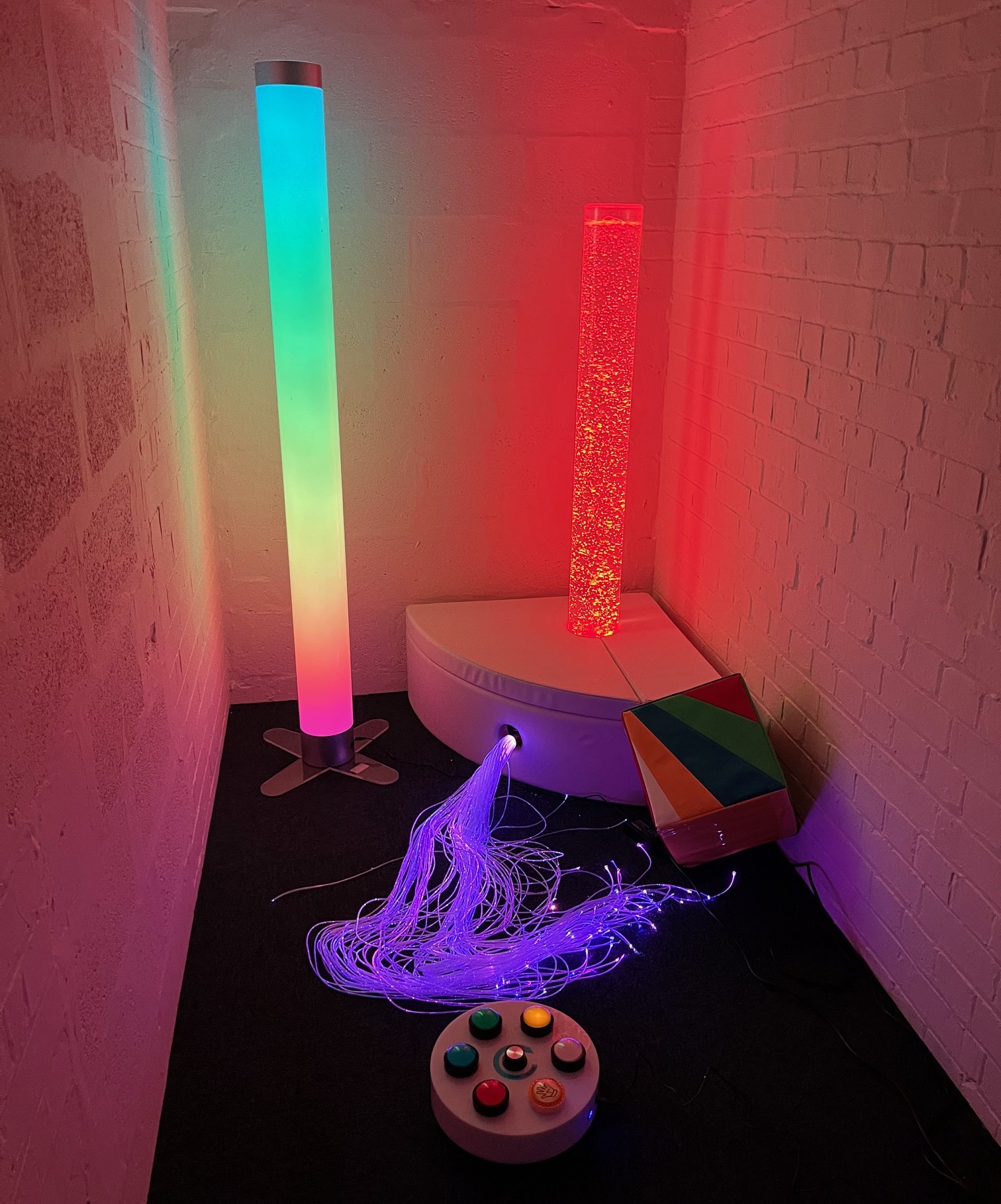
Creating a Sensory Space in School: A Practical Guide for Staff
Supporting children’s wellbeing is a key part of creating an effective learning environment. For many pupils—particularly those with additional needs—a busy classroom can sometimes feel overwhelming. Providing access to a sensory space within school can help pupils feel calmer, more regulated, and ready to learn.
The good news is that you don’t need a large budget or a dedicated room to make this work. With thoughtful planning, schools can create effective sensory spaces that support a wide range of needs.
What Is a Sensory Space?
A sensory space is a dedicated area within the school environment designed to help pupils regulate their sensory input. It can be used to:
Pupils with sensory processing differences, attention difficulties, or anxiety may particularly benefit from having access to a predictable, supportive space.
Why Sensory Spaces Matter in School
When pupils feel regulated, they are more able to:
A sensory space can also support behaviour by providing an alternative to escalation, helping pupils reset before returning to learning.
Sensory Corner or Sensory Room?
Schools can adapt sensory provision to fit their environment.
Sensory Corner (Classroom-Based)
Sensory Room (Dedicated Space)
Key message: A well-planned small space can be just as effective as a fully equipped room.
Step 1: Understand Pupil Needs
Effective sensory spaces are based on individual needs. Consider:
Working with SENCOs, support staff, and families can help build a clear picture.
Step 2: Choose the Right Location
A good sensory space in school should:
In classrooms, a simple boundary—such as a rug, screen, or tent—can clearly define the space.
Depending on your child:
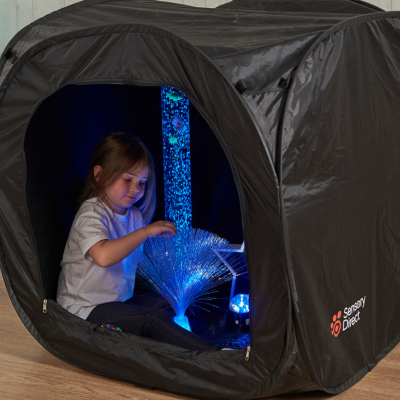
Sensory Den and lights
Step 4: Keep It Structured and Flexible
In a school setting, sensory spaces work best with clear expectations.
Some schools use visual supports or timetables to help structure use.
Step 5: Teach and Model Use
Pupils need to be taught how to use a sensory space effectively.
Staff can:
Over time, this helps pupils develop self-awareness and regulation skills.
Common Mistakes to Avoid
Working as a Team
Consistency across staff is key to success.
A consistent approach helps pupils feel secure and supported.
Final Thoughts
Creating a sensory space in school is a practical and impactful way to support pupils’ wellbeing and learning.
It doesn’t need to be complex or expensive. What matters most is that it is purposeful, consistent, and responsive to pupil needs.
When pupils feel calm, safe, and understood, they are better able to engage, learn, and thrive.